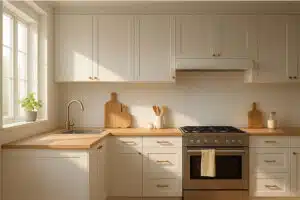
Finding the right kitchen cabinet suppliers can make a significant difference in the success of your kitchen renovation or construction project. Reliable suppliers offer a wide selection of cabinet styles, finishes, materials, and configurations to meet different design and functional needs. From timeless solid wood cabinets to modern and contemporary options, the right supplier can help you create a kitchen that combines durability, style, and practical storage.
A Dallas-Fort Worth builder places a cabinet order in March and expects delivery in three weeks. Instead, he waits eleven. The container sits at port, the invoice arrives 25% higher than quoted, and his closing date slips. Consequently, he never orders from that overseas supplier again.
That scene is playing out across Texas job sites in 2026, and it traces back to a single policy shift: Section 232 tariffs on imported kitchen cabinets and bathroom vanities. Furthermore, the disruption is reshaping how builders, remodelers, and multi-family developers source one of the most expensive line items in any project. Here’s what changed, why Texas feels it first, and why domestic solid wood has suddenly become the smarter bet.
What Actually Changed in the Tariff Code
In October 2025, the federal government imposed a 25% Section 232 tariff on all imported kitchen cabinets, bathroom vanities, and their component parts, including ready-to-assemble kits and hardware. Regulators had originally scheduled that rate to double to 50% on January 1, 2026. However, the administration postponed that increase to January 1, 2027, citing ongoing trade negotiations.
Therefore, builders now operate under a countdown clock rather than a resolved policy. The rates also vary sharply by country of origin:
- China: 25% tariff plus additional antidumping and countervailing duties, pushing combined rates above 70%
- Vietnam: 25% tariff plus varying antidumping duties, often exceeding 46% combined
- Canada: 25% flat rate
- European Union and Japan: capped at 15%
- United Kingdom: capped at 10%
- Domestic U.S. production: 0%
Meanwhile, softwood lumber and timber imports carry an additional 10% duty, which raises costs even for builders who thought they’d sidestepped the cabinet-specific tariffs entirely. Specifically, Canada supplies roughly 85% of U.S. softwood lumber imports, so that single duty ripples through framing, millwork, and cabinet-grade lumber all at once.
Trusted Kitchen Cabinet Suppliers for Quality Solutions
What to consider when choosing kitchen cabinet suppliers, including product quality, construction, available styles, pricing, customization options, and customer support. It also highlights the importance of working with suppliers who understand the needs of homeowners, builders, contractors, and interior designers. By comparing product collections, specifications, warranties, and service options, you can make a more informed purchasing decision. Whether you are remodeling a single kitchen or managing multiple projects, choosing a dependable kitchen cabinet supplier can help streamline the process and deliver lasting value.
Why Texas Builders Feel It First
Texas builds more new homes than any other state, and multi-family developers across Austin, Houston, San Antonio, and the DFW metroplex depend on cabinetry volume that dwarfs most regional markets. Consequently, even small per-unit cost increases compound quickly across a 300-unit apartment complex or a production-home subdivision.
The math is stark. According to industry tariff analyses, a $3,000 imported cabinet order can now cost $3,750 to $4,200 after duties, a 15-25% retail increase. Multiply that across dozens of units, and a builder’s margin evaporates before the drywall goes up.
Nationally, the Center for American Progress projects tariffs could add $17,500 to $18,500 to the average new home’s construction cost and reduce housing output by roughly 450,000 units through 2030. Texas, given its construction volume, absorbs a disproportionate share of that pressure. Therefore, builders here are not waiting for the 2027 rate hike to make a move; they’re restructuring supply chains now.
The Real Math Behind the Switch
Cost is only half the equation. Lead time has become the more painful variable for builders working against tight construction schedules and buyer move-in dates.
- Imported cabinet lead times: 6 to 14 weeks, subject to customs delays and port congestion
- Domestic stock lead times: 3 to 5 days for in-stock solid wood lines
- Tariff exposure on imports: ongoing and unpredictable, tied to a policy still being negotiated
- Tariff exposure on domestic product: zero
A builder juggling a dozen active projects cannot absorb an unplanned two-month delay on a single trade. Consequently, domestic solid wood suppliers have become the pragmatic choice, not just the patriotic one. Short lead times mean predictable close dates, and predictable close dates mean builders stop paying carrying costs on unsold inventory.
Additionally, the math extends beyond the invoice. Change orders, damaged shipments, and mismatched dye lots on imported goods routinely add rework costs that never show up in the original quote. Domestic suppliers, operating closer to the job site, resolve these issues in days rather than the better part of a shipping season.
Solid Wood’s Quiet Comeback
Ironically, the domestic cabinet industry entered 2025 in a weakened state. Foreign producers had captured roughly 80% of the U.S. kitchen cabinet market over the prior decade, while domestic manufacturers held onto just 20%. Total imports reached $3.7 billion in 2024, more than double the level of ten years earlier, and Southeast Asian producers alone accounted for 57% of that volume.
That import surge came at a real cost. American plants closed. Cabinetworks Group cut more than 450 jobs across Texas and Pennsylvania facilities in 2024 and 2025 alone, and other manufacturers in Alabama, New Jersey, and North Carolina shed hundreds more positions over the same stretch. The American Kitchen Cabinet Alliance has argued that roughly 250,000 American manufacturing jobs depend on reversing that trend.
Now, the tariff shakeup is testing whether domestic capacity can rebound quickly enough to meet renewed demand. Builders switching back to solid wood are discovering an added benefit beyond price stability: solid hardwood face frames and doors simply outperform the engineered composites common in many imported lines, holding up better to humidity swings and daily wear in Texas’s climate.
Specifically, solid wood resists the swelling, delamination, and warping that plague MDF and particleboard cores when summer humidity spikes or air conditioning cycles dry a home out overnight. For a builder standing behind a one-year warranty, that durability difference translates directly into fewer callbacks and happier homeowners.
What This Means for Builders, Remodelers, and Homeowners
For contractors and builders, the calculus is now straightforward. Locking in domestic solid wood pricing before the January 2027 rate increase protects margins on any project spanning that deadline. For home remodelers and multi-family developers, shorter lead times reduce the carrying costs and scheduling risk that erode profitability on every job.
Key takeaways for anyone sourcing cabinetry in the next twelve months:
- Lock in pricing now. Current rates hold steady through 2026, but the scheduled 50% jump still looms for January 2027.
- Audit your supply chain. Know exactly which country-of-origin duties apply to your current cabinet line before you commit to a bid.
- Weigh total cost, not just unit price. Factor in lead time, rework risk, and schedule slippage alongside the invoice total.
- Consider durability, not just duty rates. Solid wood construction often outlasts engineered imports in Texas humidity and heat.
Homeowners renovating this year should ask their contractor directly where cabinet materials originate and how that sourcing affects both price and delivery date. A five-minute conversation upfront can prevent a two-month delay later.
The Bottom Line
The 2026 tariff shakeup didn’t just raise prices on imported cabinetry; it exposed how fragile those long, overseas supply chains had become. Texas builders, facing the country’s highest construction volume and least room for schedule slippage, moved first. Domestic solid wood offers what imports increasingly cannot: predictable costs, dependable timelines, and materials built to handle Texas conditions for decades.
If you’re planning a build or remodel in the year ahead, don’t wait for the January 2027 rate hike to force your hand. Talk with an ARC cabinetry supplier now, lock in current pricing, and build your project on a supply chain that won’t leave you waiting at the port.